 Korcula Boat Tours
The Blue Lagoon at Stupe: Korčula's Famous Water
The Korcula Blue Lagoon Stupe photograph - white-sand shallows glowing turquoise between two low islets, Vela and Mala Stupe, with Moro Beach and its seasonal bar on the shore - sells most of the tickets on our side-by-side boat trip comparison. This guide is the honest version: where the lagoon actually is (not on Korcula island itself), why the water reads the colour it reads, which boats stop and for how long, what the crowds do through the day, and the verdict on whether the famous hour is worth building a day around.
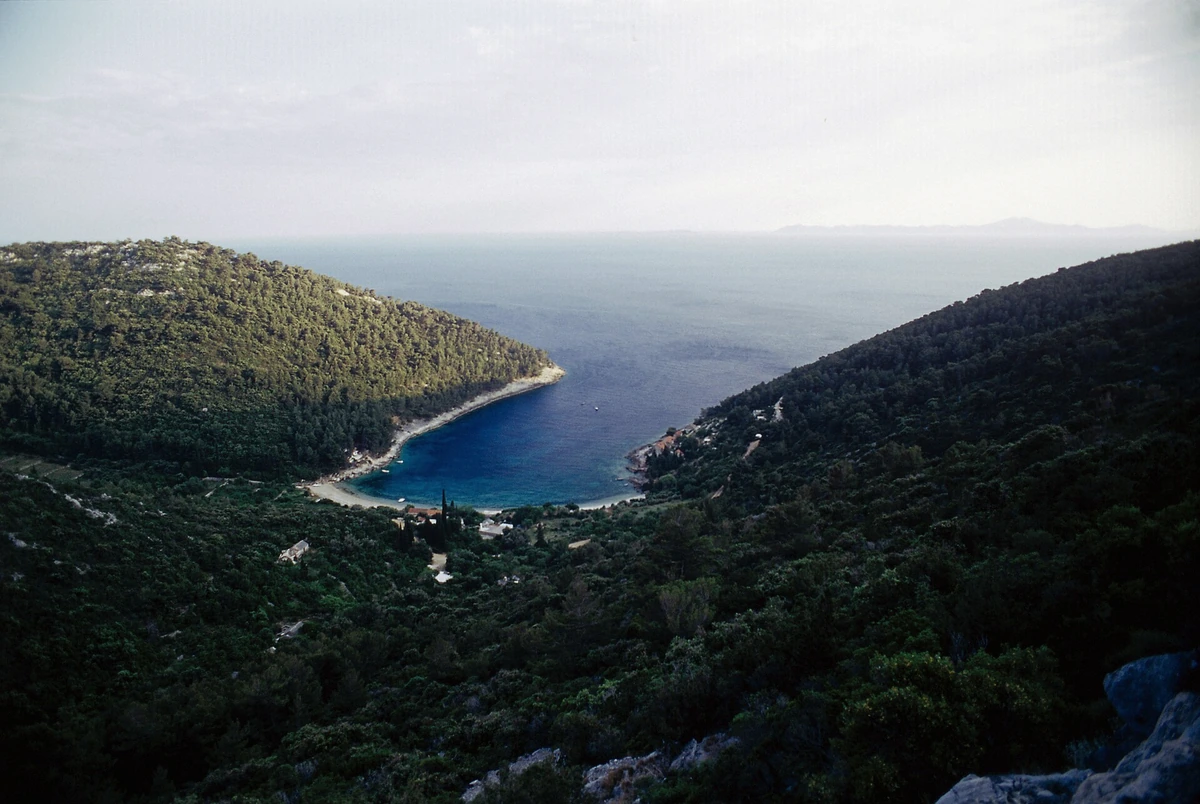
The water colour the archipelago is famous for, at Pupnatska Luka on Korčula's south coast. Photo: Falk2, Wikimedia Commons (CC BY-SA 4.0)
Quick answer Where Stupe is, which boats stop, and the hour that gets you the lagoon at its best
Where is the Korcula Blue Lagoon? At the Stupe islets (Vela and Mala Stupe), in the open archipelago west of the island - reachable only by boat. Four listings in our comparison stop here: the catamaran ($87), Sail Away ($88), the shipwreck run ($104) and the premium snorkel day ($224). The water is real: white sand under turquoise shallows. The crowd is real too - morning visits get the calm, clear lagoon; mid-afternoon in August gets the fleet.
Key takeaways
- The colour is geology: white sand and pale rock shallows over a light seabed - the turquoise is refraction, not marketing.
- Mornings own the lagoon: first boats in get the flat water and the clean colour; by 15:00 in August it is a flotilla.
- Moro Beach absorbs the crowd: the bar-and-sunbed shore takes the pressure off the swim area - or joins it.
Where the Blue Lagoon Actually Is
The first thing to correct from the brochure shorthand: the Blue Lagoon is not on Korčula island. It sits at the Stupe islets - Vela Stupe and Mala Stupe, two low green-and-white islets in the open archipelago, roughly between Korčula Town and the channel's midway to the Pelješac shore. The lagoon is the shallow saddle between and around the islets: a white-sand and pale-rock seabed that shelves gently from ankle-depth swimming to a comfortable chest, ringed by water deep enough for boats to anchor.
Nothing is built on the islets except Moro Beach, the seasonal bar-and-sunbed operation on the larger islet's shore - reached from the water, staffed in season, cash-first. The geography matters for booking because it explains the two behaviours travellers meet: the lagoon is exposed to the open sea on one side (which is why a jugo wind swaps the stop for a sheltered bay), and it is a natural amphitheatre (which is why every boat in the archipelago ends up in the same bowl by mid-afternoon).
Why the Water Is That Colour
The turquoise that fills the lagoon's photographs is physics, not filters. Three ingredients: a white seabed - sand and crushed pale rock, the brightest floor the Adriatic offers; shallow, still water over that floor, so the light makes the round trip through it; and the Adriatic's clarity, which on a calm day runs to the kind of visibility that lets you count pebbles at four metres. White floor reflects the whole spectrum back through water that absorbs red fastest, and the shallows read as glowing turquoise from the deck and from inside them.
The same physics explains the disappointments: on a churned day the sand stays stirred, the light scatters, and the lagoon reads grey-green; in the late afternoon the sun angle steals the refraction; and underwater photos rarely match what the eye sees from a swimmer's depth. The honest advice for the photograph-hunters: mid-morning to early afternoon, calm-water days, and the shore-level angle - the colour is a shallow-water phenomenon and shows best where the water is shallowest.
Every Boat Trip That Stops at Stupe
From-prices read from the listings compared here, September 2026; stop lengths are the listing patterns, and the crews pace them against the day's traffic.
Every Boat Trip That Stops at Stupe
| Boat | From-price | Typical lagoon time | The angle on Stupe |
|---|---|---|---|
| Three-island catamaran | $87 | The finale hour | Big-deck comfort, lagoon as the closing act |
| Sail Away | $88 | One of four stops | Small wooden boat, anchors at the quiet edge |
| Shipwreck run | $104 | Swim stop, private-or-shared | Pairs the wreck with the lagoon in one run |
| Premium snorkel day | $224 | A full guided hour | Transfer + guide + urchin tasting; the no-logistics version |
Crowds and the Best Time of Day
The lagoon's crowd curve is the day-trip curve at its most concentrated. Morning - the golden window: the first boats in (the small-group products that anchor early) find flat water, clean colour and room to swim; by 11:00 the bowl holds a respectable fleet. Midday through mid-afternoon in season: the amphitheatre fills - the big catamarans, the excursion boats, the private rentals - and the lagoon becomes a sociable, crowded, thoroughly Mediterranean scene: ladder queues, paddleboards, music from the Moro Beach end.
Late afternoon: the fleet drains toward home ports and the light warms; tours that finish their hour by 16:30 leave the islets to the rentals and the sunset crews. Two structural notes: August is the peak of the curve and May-June its floor, and the wind reshapes everything - a jugo day empties the exposed bowl entirely, which is why every listing that stops here carries the sheltered-bay swap in its terms. The booking consequence: if the lagoon is your trip's main event, book a morning departure, in a small-group boat, outside August if you can.
Moro Beach and the Bar
Moro Beach is the lagoon's landward amenity: a seasonal beach operation on Stupe's shore with a bar, sunbed rows, simple food and the music that carries across the water on busy afternoons. Reached only by boat, it functions as both amenity and crowd-manager: swimmers who want a drink, a lounger or shade migrate to the beach end, which keeps the open-water swim area quieter for everyone else. Practical notes: cash is the safe assumption at the bar in high summer; the sunbeds rent at beach-club prices; and the operation runs in season only - in May and October the islets are back to their unbuilt selves, bar closed, and day visitors bring their own everything.
The etiquette the reviews keep teaching: Moro Beach belongs to whichever boat's hour it is - buy your drink, take your photo from the rocks, and let the next boat's crowd have their turn. And the honest warning: if a beach-club scene is exactly what you did not come to the Adriatic for, the lagoon at 09:30 or the quiet-edge anchoring on Sail Away is the version of Stupe you are looking for.
Is the Blue Lagoon Worth It
The verdict, with the qualifiers that make it honest. Worth it for: first-time archipelago visitors (the colour is genuinely the region's best), families with mixed-age swimmers (the shallows are the safest water on any stop in the comparison), and anyone booking morning departures in the shoulder months. Overrated for: solitude-seekers in August afternoons (the amphitheatre does not empty on demand), snorkellers expecting reef (the lagoon is sand-and-rock shallows - the island's reef product is the shipwreck), and travellers who have already swum a dozen turquoise lagoons elsewhere in Croatia.
The middle answer for everyone else: the lagoon is a spectacular swim in water you will not find at home, and its worst hours are the price of its fame - book the boat that arrives early, and it delivers exactly the photograph and the swim you came for.
Getting the Photograph the Postcards Promise
The lagoon photograph is a solvable problem once you know its variables. Angle: the classic shot is taken from the low rocks at the lagoon's edge looking across the shallows toward the islets - deck-height shots compress the colour away, because the turquoise lives in the shallow floor's reflection, best caught at water level. Light: mid-morning to early afternoon, sun high enough to light the white seabed straight down; by late afternoon the angle steals it and the water reads steel.
Water state: calm - a choppy surface scatters the effect entirely, which is why the morning boats bring back the photographs and the afternoon boats bring back stories. The people variable: a swimmer mid-lagoon gives the scale that makes the colour believable; without one, the shallows can read as a void. And the honesty note: every strong lagoon photograph on every platform selling these trips was taken in this exact window of angle, light and calm - the product is real, and so is the timing.
Book a morning departure in the shoulder season and the photograph takes itself; otherwise, put the phone away and swim.
The Seabed Under the Colour
What the turquoise hides is worth knowing, both for the snorkeller and for the visitor who wants to keep it turquoise. The lagoon's floor is a mosaic: white sand channels, pale rock shelves, and patches of the Adriatic's seagrass and algae that give the fish their living. The shallows teem small - shoals of salema glinting over the sand, wrasse working the rocks, the occasional octopus at the rock edges in the early morning calm - and the clarity that makes the colour is the same clarity that makes the small stuff visible.
The etiquette that keeps it: fin-up when standing (kicking sand and life off the rocks), nothing lifted from the water, no anchoring lines over the seagrass patches - the crews mind the anchoring rules, and swimmers can match them. The broader fact behind the beauty: this stretch of the Adriatic runs clear because it runs poor in nutrients; the colour and the clarity are the same phenomenon as the absence of big floating life. What you are looking at is a desert blooming precisely because it is a desert - which is why the coral-like colours live on the rocks, and why the one artificial reef on the coast, the Boka wreck off Mokalo, is the richest single sight in the water.
The Wreck and the Lagoon in One Day
The archipelago's two headline water sights - the Boka wreck off Mokalo and the Blue Lagoon at Stupe - sit on opposite sides of the island's water, and the products that combine them are the snorkeller's best value. Two of the tours in the wreck-and-lagoon comparison run the pair in one trip: the shipwreck run sequences wreck, Trubica beach and the lagoon over 4.5 hours from $104, private or shared; the premium snorkel day runs the same two sights with a guided hour at each, the urchin tasting between them, and the transfer from $224. The logic of the combination is worth seeing: the wreck is the archipelago's one underwater story - a 1981 hull reefed by forty years of life - and the lagoon is its one underwater colour; a day with both covers the register of the water.
The sequencing note: crews run the wreck first on calm mornings, because its visibility is the weather-dependent half, and the lagoon closes the day warm. For travellers choosing between the two combination products: price the wrapper - transfer, guide, lunch - honestly, per the comparison's running theme, and pick the format that matches how much of the day you want handled.
Stupe Outside the Season
The lagoon in May and October is a different product at the same address, and knowing it changes the booking. The water holds its colour - the white seabed and clear channel do not follow the price calendar - but the amphitheatre empties: the fleet that fills the bowl by mid-afternoon in August thins to a handful of boats in the shoulder, and some calm afternoons in early October leave the islets to whoever anchored first. The trade-offs run the other way too: Moro Beach's bar and sunbeds close with the season, so the lagoon's land amenities vanish with the crowds - bring the full kit from the packing list; the schedule thins to the morning departures; and a jugo day benches the exposed lagoon more readily at the edges of the season.
The verdict by traveller: solitude-seekers get the best version of Stupe in June and September, when the water is warm, the fleet is thin and the bar is open; deal-seekers get the honest emptiness in early October; and August travellers get the famous photograph's famous crowds - glorious water, shared gladly with a thousand new friends.
Water Safety at the Lagoon, Stated Plainly
The lagoon is friendly water, and it still deserves its safety paragraph. The depth profile is the friend: white sand shelving from ankle to chest over a long gradient - children and weak swimmers get genuine shallows, not a ledge over deep water. The two real hazards: boat traffic at the shallow entrance (the fleet's props versus swimmers' confidence - stay inside the swim area the crews mark, and cross open water only with eyes up) and the rocks at the edges, which hide sea urchins and demand the water shoes this site recommends everywhere.
The currents are minor in calm weather - the lagoon is a bowl, not a passage - but a jugo turns the exposed side lively, which is the same wind that bench-swaps the stop; if you are swimming on a re-routed bay instead, all of this applies double to unfamiliar ground. The sun arithmetic: shallow water mirrors the sun back, and an hour at Stupe burns the backs of legs that never left the water - the reef-safe sunscreen from the packing list exists for exactly this hour. And the honest note for parents: the crew watches the boats; you watch the children - the two systems work, but only as two.
Choosing Your Stupe Boat: Three Decisions
Four boats stop at the lagoon, and choosing between them is three decisions in sequence. Decision one - deck size: the catamaran ($87) runs the biggest, most railed deck and the family format; Sail Away ($88) runs the small wooden deck that out-scores it; pick by group shape, not by price - they cost a euro apart. Decision two - the day's theme: swim-and-islands (either of the above) versus snorkel-as-the-point - the shipwreck run ($104) adds the wreck and Trubica to the lagoon; the premium day ($224) adds the guided hour, the transfer and the lunch.
Decision three - the hour you want the lagoon: the half-day tours reach it mid-loop or as the finale; the morning departures anchor in the calm-window that makes the colour; the premium day's guided hour is the longest and the earliest-served. Work the three decisions in order and one boat remains - which is the whole trick of a comparison: not more options, fewer. And the tie-breaker from the review bases: first-timers who cannot decide lean Sail Away for the rating or the catamaran for the family, and report no regrets either way.
Blue Lagoon Questions
Can you visit the Blue Lagoon at Stupe without a tour?
Only by private boat - rental dinghies from Korčula Town and Lumbarda make the run in fair weather, and water taxis negotiate per trip. But the maths rarely favours it: the catamaran reaches the lagoon from $87 with gear included, while a rental day costs more once fuel and deposit enter, for a boat you captain yourself.
Is 2 hours enough at the Blue Lagoon?
Yes - more than enough for the swim, the Moro Beach drink and the photographs; the lagoon is a shallows, not a destination with hinterland. Tours give it forty minutes to an hour and reviews rarely complain about the length; the complaint, when it exists, is about the crowd sharing it. Two self-organised hours make sense only for rental-boat days.
Why is it called the Blue Lagoon?
The name - shared by lagoons across the Adriatic and beyond - comes from the colour: white seabed under shallow, clear water reads glowing turquoise in daylight. At Stupe the effect is strong enough that the name stuck in tour marketing before it reached the maps; the islets themselves are Vela and Mala Stupe on the charts.
Does the lagoon stop get cancelled in bad weather?
The stop gets swapped, not the day: the lagoon sits on the archipelago's open side, and a jugo wind pushes crews to sheltered bays - the swap is standard practice, stated in the listings, and announced before departure. The channel cruise is the wind-proof alternative that still shows the islets from the water.
Are there jellyfish in the Blue Lagoon?
Occasionally, as everywhere in the Adriatic - most of the summer brings none, and the common visitors are harmless moon jellyfish; the sting risk sits with the rarer Pelagia in late summer. The crews see the water daily: ask at boarding, and the flag system at Moro Beach signals what the water is doing. A vinegar sachet in the beach bag is the region's standard cheap insurance.
Can you rent sunbeds at Moro Beach?
Yes in season: Moro Beach runs sunbed rows and umbrellas at beach-club prices, paid at the bar - cash-first on busy days. The free option is the rocks and the boat deck; the sunbeds buy padding and shade in that order. Out of season the operation closes entirely and the islets return to their unbuilt selves.